
Tyrosine vs. L-tyrosine
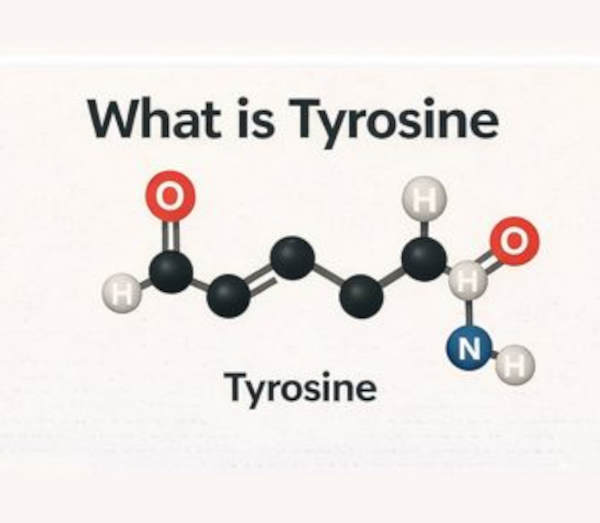
Tyrosine is an amino acid that plays a key role in human metabolism. However, the context in which we talk about it matters. In laboratory diagnostics and home IVD tests, tyrosine is a biomarker whose elevated levels may signal serious diseases. In the field of sports nutrition, the term “tyrosine” almost always refers to L-tyrosine – a dietary supplement that supports concentration and mental performance.
Tyrosine in tests - a biomarker of serious diseases
In laboratory or home testing (for example, using the Carci reagent® IVD test), the level of tyrosine in urine or blood is monitored.
This parameter can be an important indicator of health status:
- elevated tyrosine may indicate amino acid metabolism disorders
- abnormal values also occur in liver diseases
- some changes may also be related to the presence of malignant tumors¹
¹ Because tumor cells change the way the body processes amino acids
In this context, tyrosine is a diagnostic marker that helps detect the risk of serious diseases at an early stage.
| ♥ I want to try the Carci Reagent® home test | Buy in our official e-shop |
L-tyrosine as a dietary supplement
Unlike in diagnostics, the term L-tyrosine is used in the fitness world. It is the biologically active form of the amino acid that the body actually uses. L-tyrosine is found in proteins and is essential for the production of:
- thyroid hormones (T3 and T4)
- neurotransmitters – dopamine, noradrenaline, and adrenaline
- structural proteins in the body
L-tyrosine supplements are most commonly used for:
- supporting concentration and cognitive performance
- coping with stress and mental strain
- physically demanding training sessions
Doses of L-tyrosine in dietary supplements range from hundreds to thousands of milligrams, which is a completely different context from the values monitored in diagnostic tests.
A clear comparison of tyrosine and L-tyrosine
| Area of use | What “tyrosine” means | Purpose of monitoring/use | Context |
|---|---|---|---|
| Diagnostics and IVD tests | Tyrosine as a biomarker (without distinguishing L/D) | A supportive indicator of metabolic disorders, liver diseases, and sometimes malignant tumors | Laboratory or home testing |
| Dietary supplements and fitness | L-tyrosine – the active form of the amino acid | Supports hormone and neurotransmitter production, improves concentration and performance | Supplementation, sports nutrition |
So how does it work?
Almost identical terms, but two completely different meanings:
-
Tyrosine in tests = a biomarker monitored in urine or blood that may indicate the presence of serious diseases
-
L-tyrosine in supplements = the biologically active form of the amino acid used in supplementation to support concentration, performance, and hormonal balance
It is important to understand that elevated tyrosine in a test is not the same thing as L-tyrosine capsules from a supplement store. One is related to diagnostics and health prevention, the other to performance support.
You may also be interested in:
|
♥ I want to try the Carci Reagent® home test |
Buy in our official e-shop |